
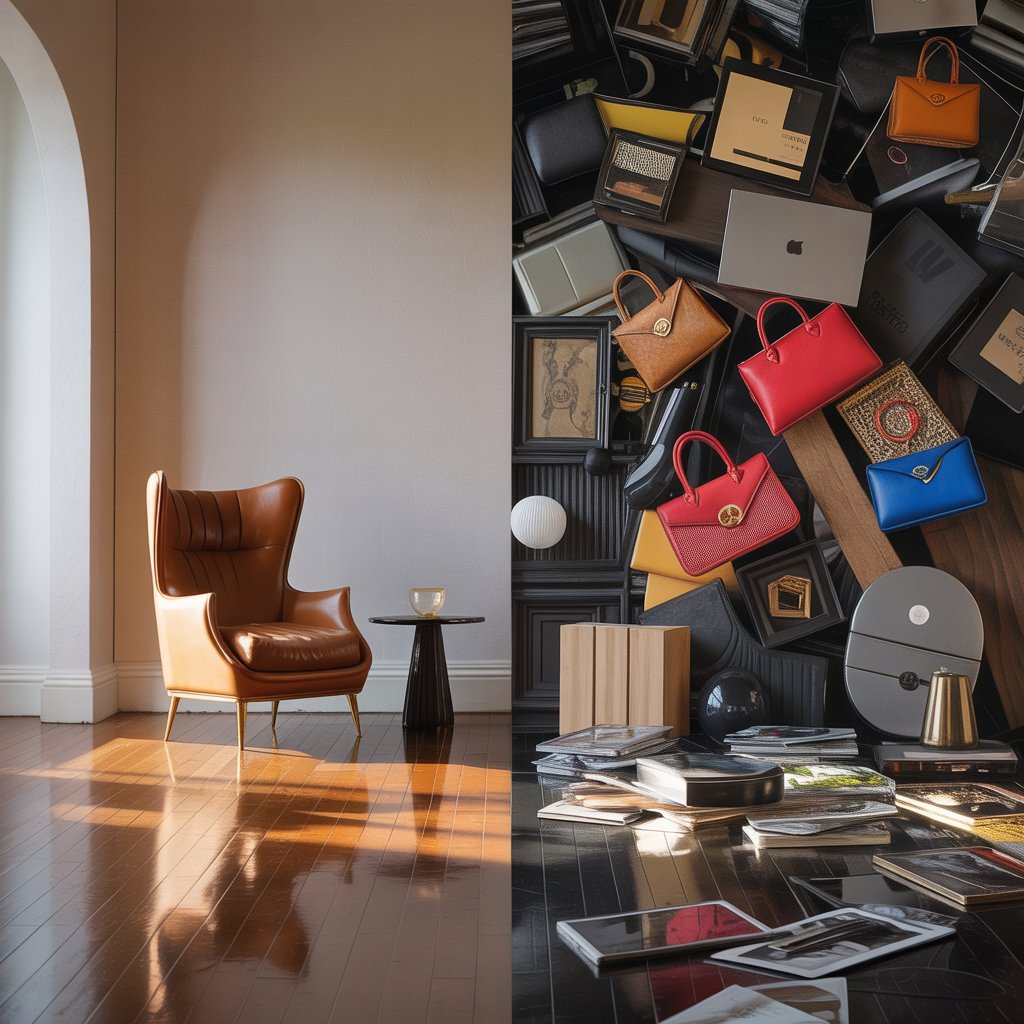
There’s a true story behind this idea, and it begins in 18th-century France.
Denis Diderot, a philosopher and writer, lived a modest life for many years. Money was often tight, and his possessions reflected that simplicity. Then something unexpected happened.
Empress Catherine the Great of Russia purchased Diderot’s entire library, paying him generously and even allowing him to keep the books while appointing him their paid caretaker.
Overnight, Diderot went from struggling to financially comfortable.
With the new income, he bought a beautiful, expensive robe. It was elegant, refined, and completely out of place in his modest home. And that’s when the trouble began.
Suddenly, his old chair looked unworthy of the robe.
So he replaced the chair.
But the new chair didn’t match the old floor mat.
So the mat had to go.
Then the curtains felt dull next to everything else.
Then the desk looked outdated.
One upgrade quietly demanded another.
Later, Diderot wrote about this experience with regret. He realized that the robe didn’t improve his life. Instead, it reorganized his desires and pulled him into unnecessary spending. This chain reaction became known as the Diderot Effect.
Fast forward to today, and the effect hasn’t disappeared. It has multiplied.
You buy a new chair for your home office.
Now the mat underneath feels cheap.
So you buy a new mat.
Then the curtains don’t match the setup.
So you replace them.
Soon, what started as a simple chair becomes a full room makeover you never planned for.
The Diderot Effect works because humans want consistency.
Not just in our homes, but in our identities.
Once one item changes, everything else feels like it needs to catch up.
So how do you escape the trap?
Not by avoiding purchases entirely.
But by interrupting the chain.
Pause after every upgrade and ask:
“Is this solving a real problem, or am I just trying to match what I already bought?”
“Will this add lasting value, or is it feeding a temporary feeling?”
People who avoid the Diderot Effect define what matters before they spend.
They decide what “enough” looks like in advance.
They anchor their identity in values, not aesthetics.
Because once possessions start dictating your next move, spending becomes endless.
The real upgrade is not buying more.
It’s knowing when to stop.